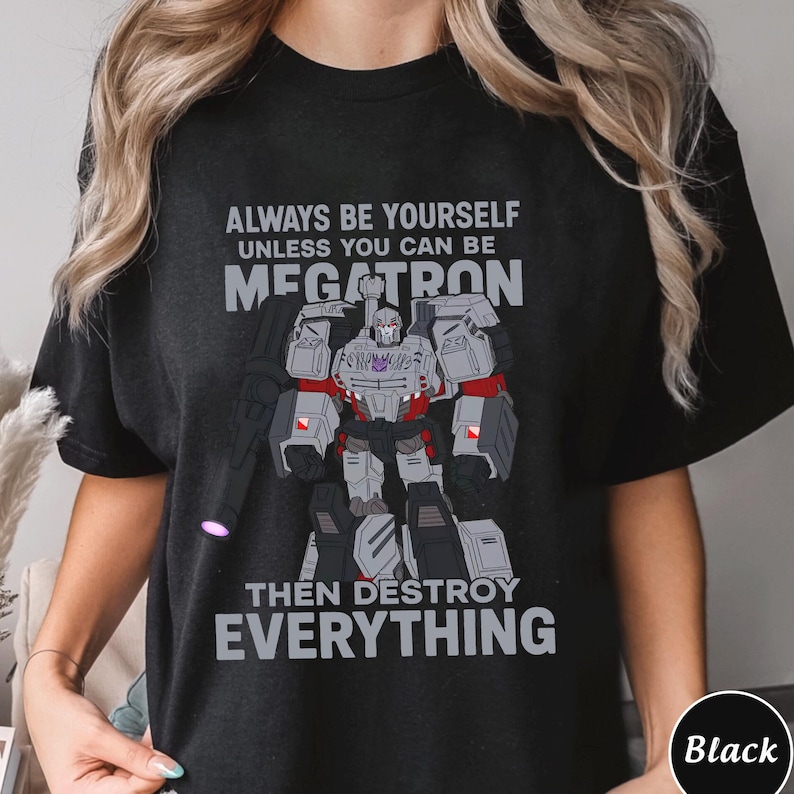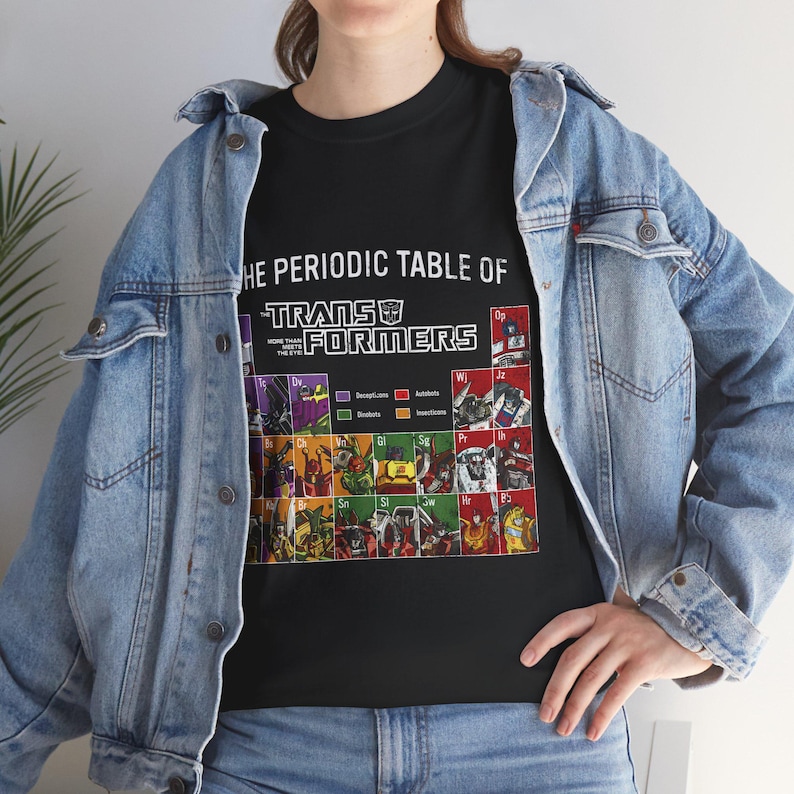
In the 1984 cartoon Megatron is simply the leader of an evil army: he wants energy and power, and that is enough for the audience. Over the years, though, writers began asking an uncomfortable question: what has to happen to a thinking being for him to believe millions of deaths are an acceptable price? The answer most modern versions give is what makes Megatron one of pop culture's most interesting villains.
Miner, gladiator, poet
Modern stories almost always start Megatron at the bottom. In IDW's comics (2005–2018) he is a lower-caste miner who writes pamphlets against Cybertron's unjust system and argues for peaceful change. In the Prime universe and the War for Cybertron games he is a gladiator from Kaon who takes the name of a legendary renegade Prime. In the animated film Transformers One (2024) he is D-16, a miner without a transformation cog and Orion Pax's best friend. These versions share one thing: Megatron is born from a real injustice. His world truly is cruel, and its rulers truly lie.
When the ends start to justify the means
The turning point differs from version to version, but the logic is similar. Peaceful protest meets violence. A friend or mentor betrays him. Megatron concludes the system will not change on its own — it has to be broken. And here the real tragedy begins: to defeat tyranny he builds an army, and armies need discipline, fear and absolute authority. The slogan "peace through tyranny" he declares in Transformers: Prime is not a joke but a sincere programme: if only strength guarantees order, the strongest must rule.
Transformers One shows this turn especially clearly: D-16 learns that the ruler Sentinel Prime hid the truth and sold his people out to their enemies. Anger that should have been righteous becomes hatred of the whole system — and of anyone in his way. Orion takes a different path from the same truth, which is exactly why their split hurts so much.
So was Megatron right?
Fans have argued about it for years, and the honest answer is this: Megatron is often right about the diagnosis but terribly wrong about the cure. He sees injustice clearly, then decides he alone has the right to choose who lives and who dies. What separates a tyrant from a revolutionary is not the goal but whether he is willing to stop once the goal is reached. Megatron never is: every victory produces a new enemy who must be destroyed.
Why the story works
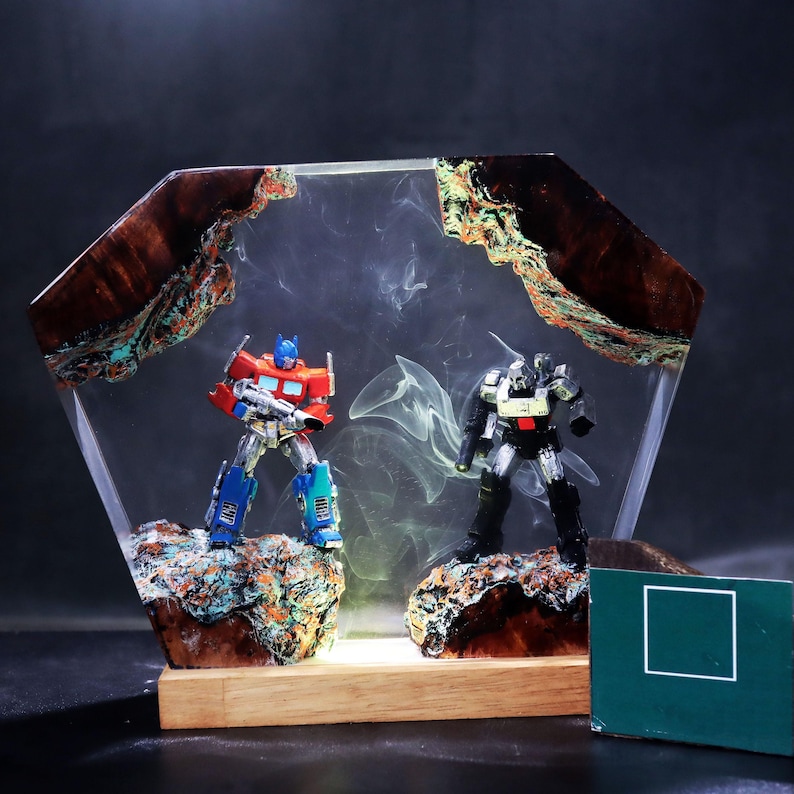
Megatron is Optimus's mirror. Both grew out of the same injustice, both want to change the world, and both are willing to fight. The only difference is whom they trust: Optimus trusts others, Megatron only himself. That is why the franchise's best stories are not about good defeating evil, but about two former friends who looked at the same wound and saw different remedies.
Some versions even give Megatron a shot at redemption. In IDW's later comics he walks away from the war and tries to live by the Autobot code. The twist still splits fans down the middle, but it confirms the key point: the franchise's most feared villain is compelling precisely because he was once a hero.